
Introduction
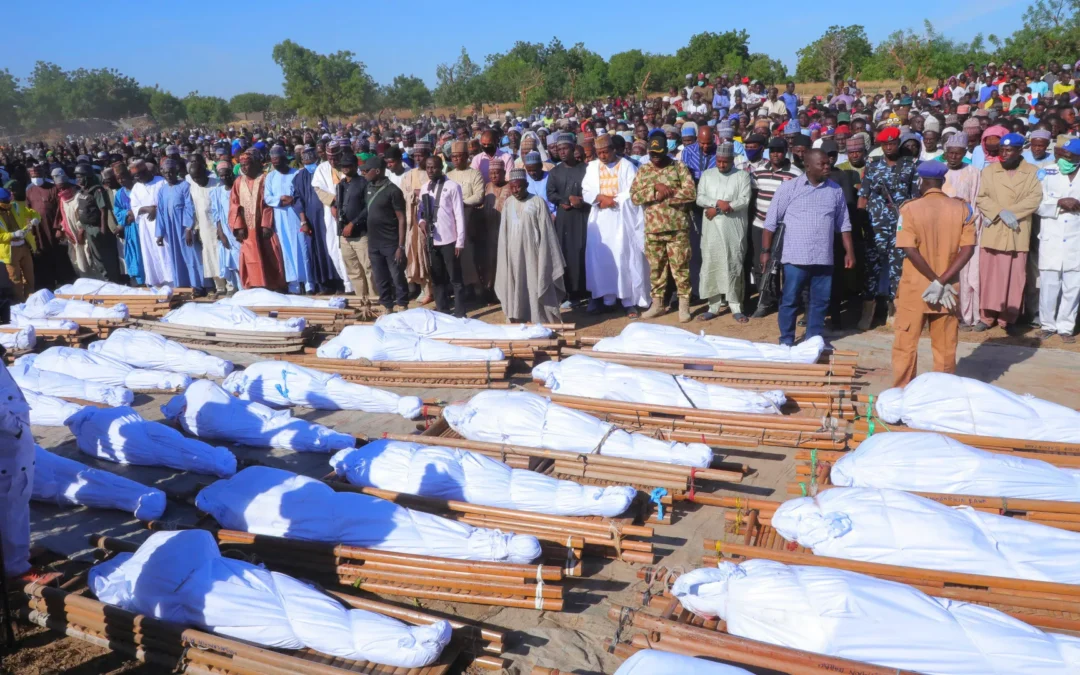
From Benue to Plateau State, Nigeria’s Christian communities continue to bear the brunt of relentless violence. In early September 2025, international rights groups once again raised alarm bells, warning that persecution of Christians in Nigeria has reached a “new low point.” Reports of mass killings, village burnings, and forced displacement continue to emerge, painting a grim picture of the crisis.
The urgent press statements and fact-finding reports have drawn attention to a crisis that many argue is underreported and inadequately addressed by global leaders. For believers in Nigeria and abroad, this issue is not just political—it is profoundly spiritual, raising questions of faith, justice, and resilience in the face of suffering.
The Numbers That Shock the World
According to international watchdogs, including the International Society for Civil Liberties and Rule of Law (Intersociety) and Open Doors, thousands of Nigerian Christians have been killed in the last three years alone. By mid-2025, estimates suggested over 50,000 deaths since 2009, primarily attributed to Islamist militant groups like Boko Haram, Islamic State West Africa Province (ISWAP), and armed Fulani herdsmen militias.
Entire villages in Middle Belt states have been razed, churches burned, and schools attacked. Survivors recount harrowing experiences of being forced to flee at night, leaving behind crops, homes, and loved ones. Many of the displaced now live in overcrowded camps, dependent on aid.
This grim reality led one rights group to declare in a September 2 statement:
“Nigeria has become the world’s largest killing field for Christians. What we are witnessing is not random violence, but systematic persecution.”
International Advocacy and Denial
At the start of September, human rights leaders from Nigeria and the U.S. held a press conference in Washington, D.C., alleging that Nigerian authorities are downplaying or outright covering up the extent of Christian persecution. Speakers accused the government of mislabeling attacks as mere “clashes” between farmers and herders, when in fact the patterns reveal deliberate targeting of Christian populations.
Dr. Gloria Samdi Puldu of the Leah Foundation, named after kidnapped schoolgirl Leah Sharibu, stated:
“We are here to expose the lies and the silence. Our people are dying, our churches are burning, and the world pretends it is about climate conflict. This is persecution, plain and simple.”
In contrast, Nigerian officials maintain that the violence is driven by a complex mix of land disputes, banditry, and criminality, not primarily religion. Yet for victims who have lost pastors, churches, and whole families, the distinction feels meaningless.
Voices From the Ground
Testimonies from survivors reinforce the sense of targeted persecution. In Benue State, a pastor described how armed men stormed his village during an evening prayer meeting:
“They shot indiscriminately, but they set fire first to the church. They wanted us to know that this was against our faith.”
In Plateau State, a widow recounted how her husband was killed while defending their church compound from attackers. Her story echoes thousands of others—ordinary Christians caught between extremist violence and state inaction.
The Christian Response: Faith Under Fire
Despite the violence, Nigerian Christians continue to display remarkable resilience. Churches across the Middle Belt have become centers of relief, offering food, shelter, and trauma counseling to displaced families. Worship services still resound with hymns of hope, even when held in the open air under makeshift tents.
A pastor in Jos told reporters:
“They can burn our buildings, but they cannot burn the Church. We are the Church, and our faith in Christ only grows stronger when tested by fire.”
This echoes the words of Romans 8:35: “Who shall separate us from the love of Christ? Shall trouble or hardship or persecution or famine or nakedness or danger or sword?”
Global Church Solidarity
In response, Christian organizations worldwide have intensified advocacy. U.S. churches have launched prayer campaigns and lobbied Congress to recognize Nigeria as a “Country of Particular Concern” under religious freedom laws. European parishes have organized fundraising drives to send relief supplies.
Nigerian diaspora communities are also amplifying the call, using social media and public demonstrations to demand greater attention. The global Christian community increasingly recognizes that Nigeria’s crisis is not isolated—it reflects a broader trend of rising persecution in multiple regions.
Seeds of Peace Amid the Violence
The Pope’s theme for the Season of Creation, “Seeds of Peace and Hope,” resonates deeply in this context. While violence dominates the headlines, countless small initiatives for peace are also underway.
Local interfaith councils are working to reduce mistrust between Christians and Muslims by facilitating dialogues in violence-prone villages. Women’s groups are organizing joint farming projects to promote cooperation over scarce resources. Youth ministries are training displaced teenagers in new skills, helping to break cycles of trauma and retaliation.
These efforts reflect Matthew 5:9: “Blessed are the peacemakers, for they will be called children of God.” They show that even in the darkest times, seeds of peace can still be planted.
Challenges in Addressing the Crisis
There are multiple barriers to ending persecution in Nigeria:
- Weak Governance: Corruption and poor security infrastructure limit effective responses.
- Impunity: Many perpetrators of attacks are never brought to justice.
- International Silence: Global leaders often prioritize Nigeria’s oil-rich economy and strategic position over human rights concerns.
- Complex Narratives: Labeling violence as “communal clashes” dilutes accountability and obscures religious motivations.
Unless these challenges are addressed, the cycle of persecution may deepen, pushing more communities into despair.
What Can Be Done?
Advocates propose several steps:
- International Pressure: Governments in the U.S., EU, and AU must pressure Nigeria to protect its citizens and prosecute perpetrators.
- Humanitarian Aid: Displaced Christians need food, medical care, and schooling for children.
- Grassroots Peacebuilding: Support local initiatives that foster dialogue and cooperation.
- Media Coverage: Global media must break the silence and consistently report on the crisis.
- Prayer and Advocacy: The global Church must unite in intercession while amplifying the voices of the suffering.
Conclusion: Faith That Refuses to Die
The story of Christian persecution in Nigeria is one of unspeakable pain but also unshakable faith. Rights groups may describe this as a “new low point,” but within the ashes, testimonies of hope continue to rise. The blood of the martyrs has historically been the seed of the Church, and Nigerian Christians embody this reality daily.
For believers worldwide, the challenge is clear: to stand with Nigeria’s persecuted Church, not in silence but in solidarity. Hebrews 13:3 reminds us: “Continue to remember those in prison as if you were together with them in prison, and those who are mistreated as if you yourselves were suffering.”
As the world debates and politicians stall, the faith of Nigeria’s Christians remains a beacon. They refuse to surrender their worship, their hope, or their witness. And in that steadfastness, the global Church can find both inspiration and conviction.